Button Hook
A dressing aid designed to support buttoning with reduced finger dexterity.
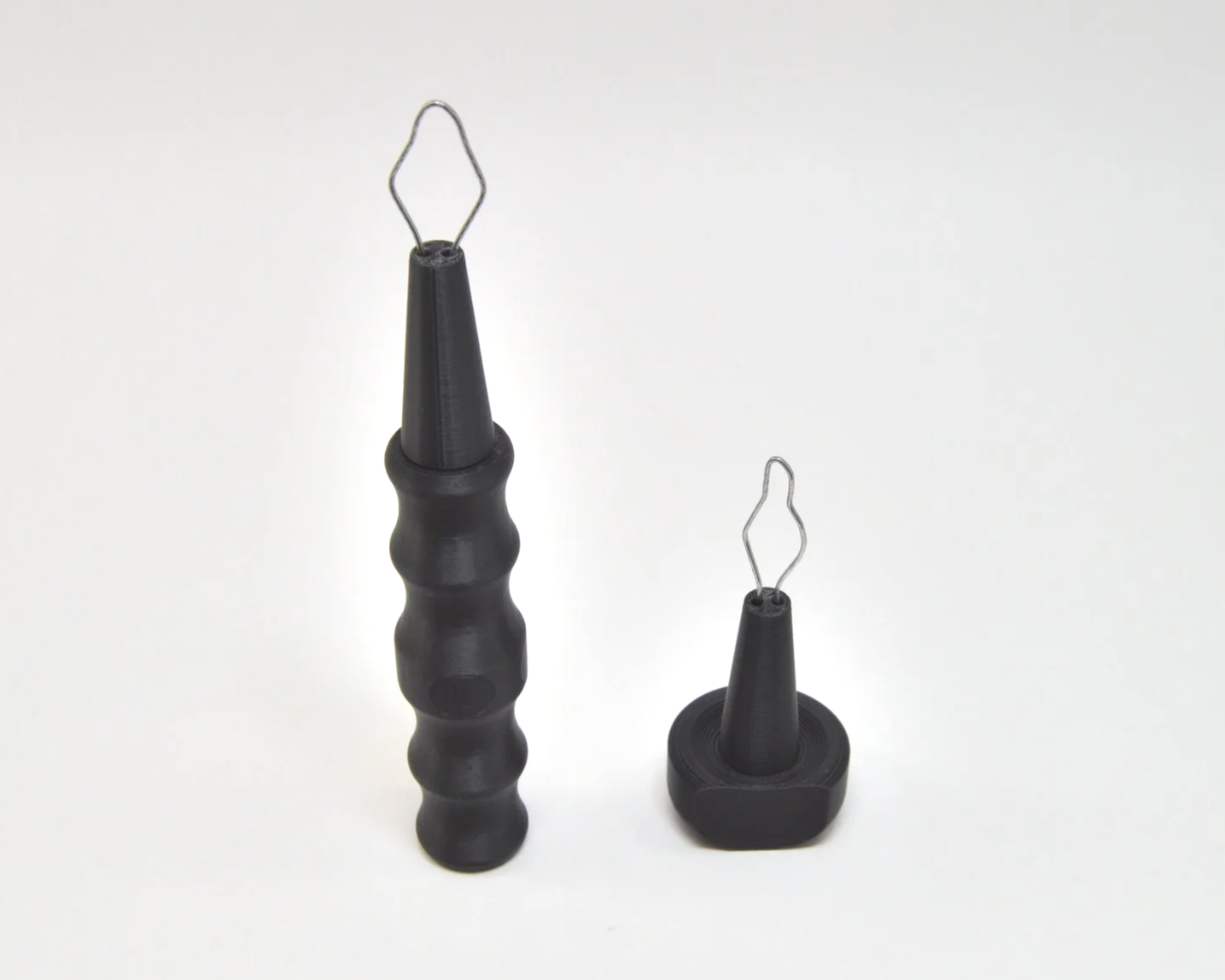
Quick Details
Category: Dressing
Tags: Decreased Pinch Strength, Limited Finger Dexterity, Reduced Grip Strength, Dressing Support
Recommended Filament: PLA or PETG
Print time: Large~ 1 hour 45 minutes Small~ 1 hour
Print Difficulty: Easy
Device Assembly: Moderate
Supports: No
Original Creator: CourageKenny
In Use
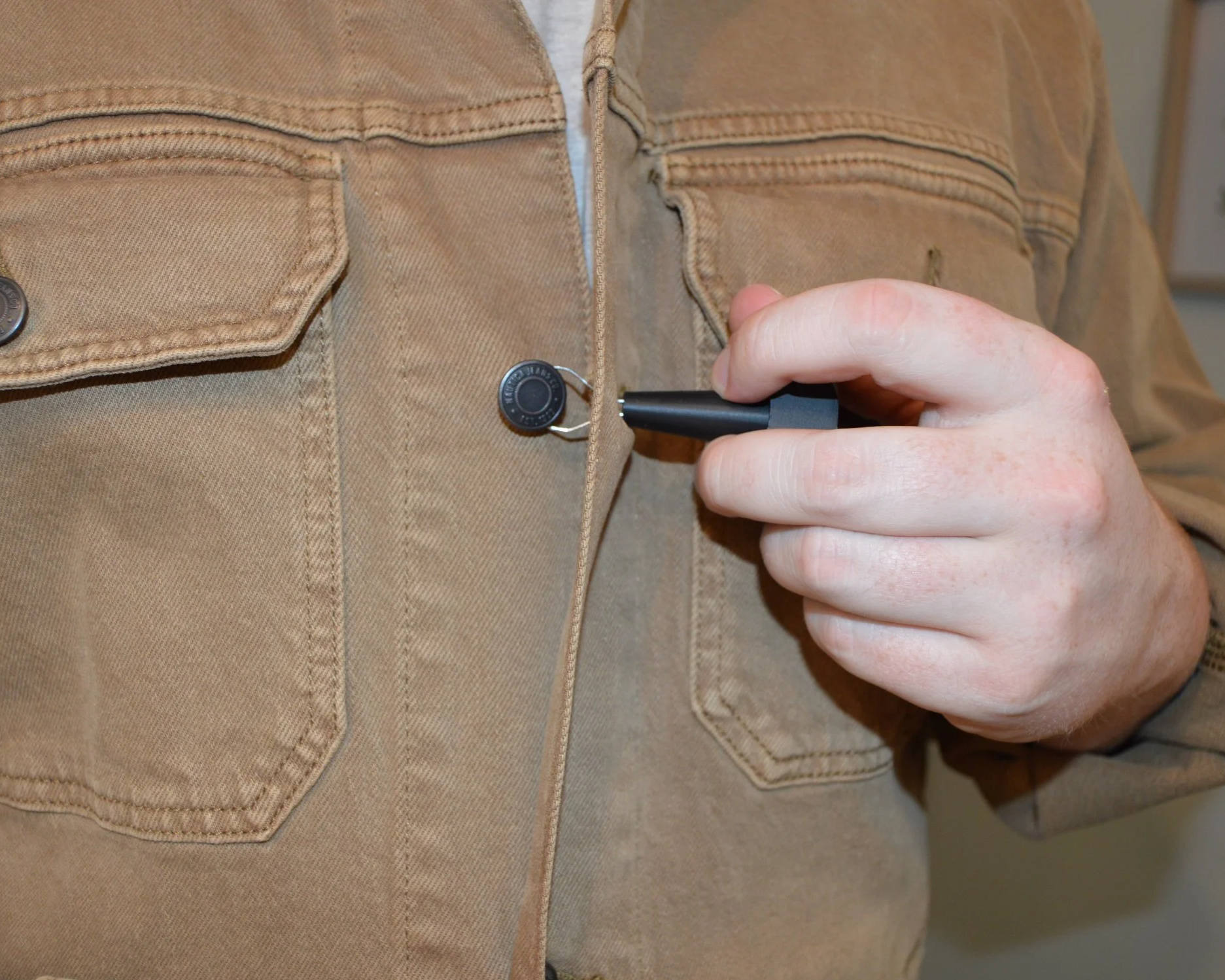
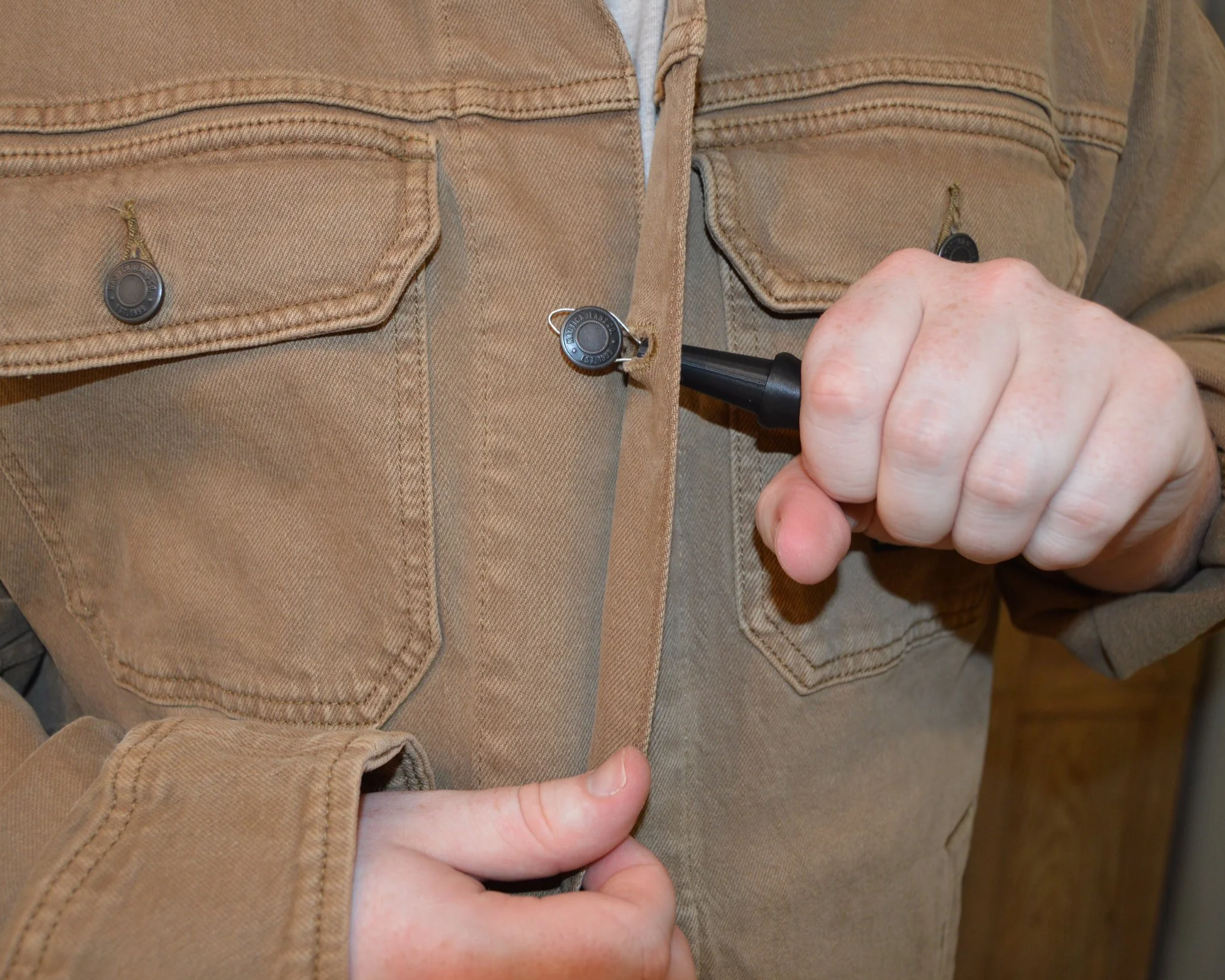
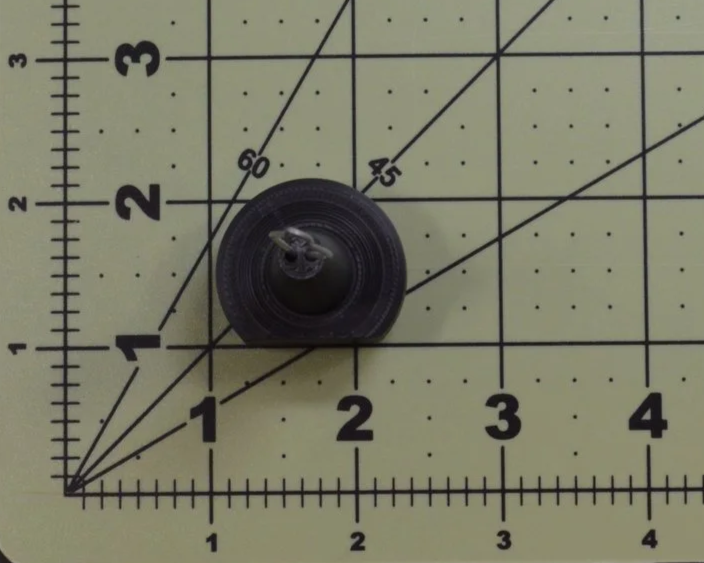
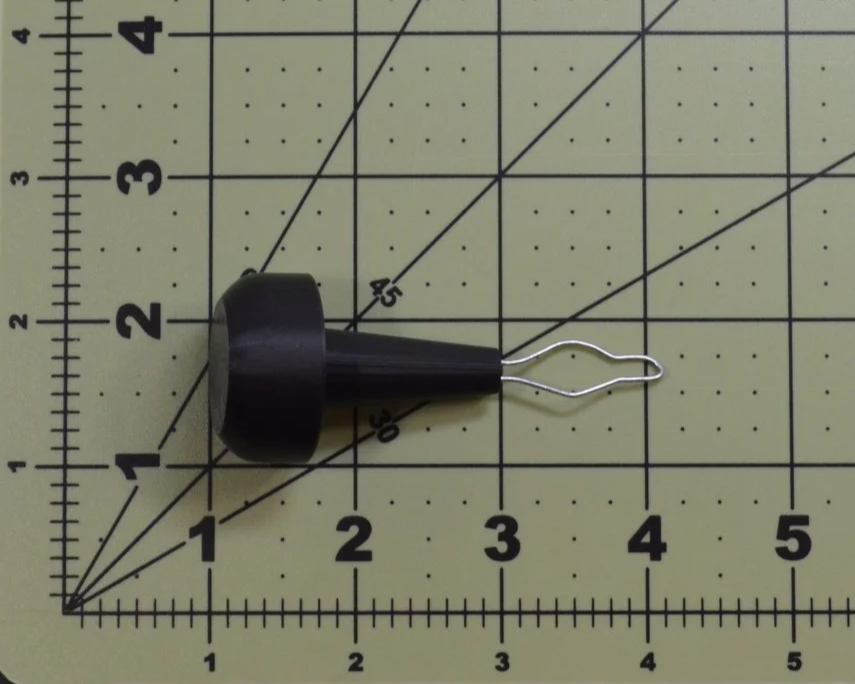
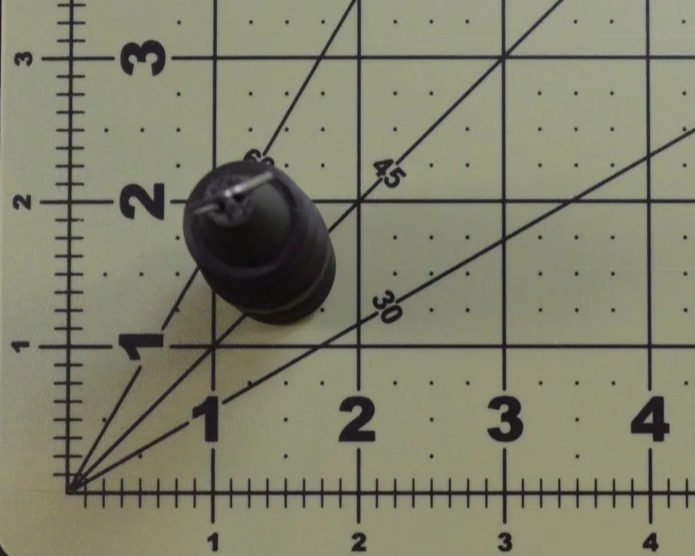
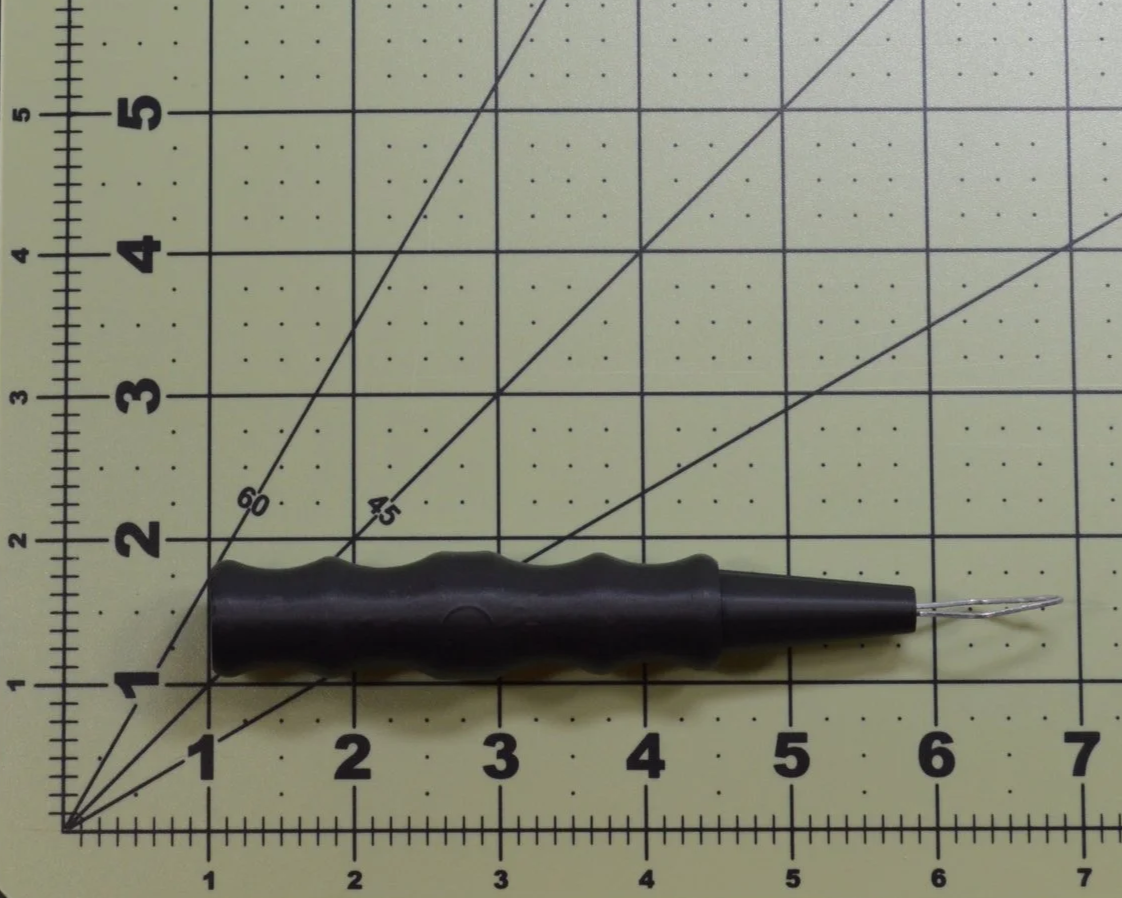
Scale Reference, 1 in.
Print Orientation
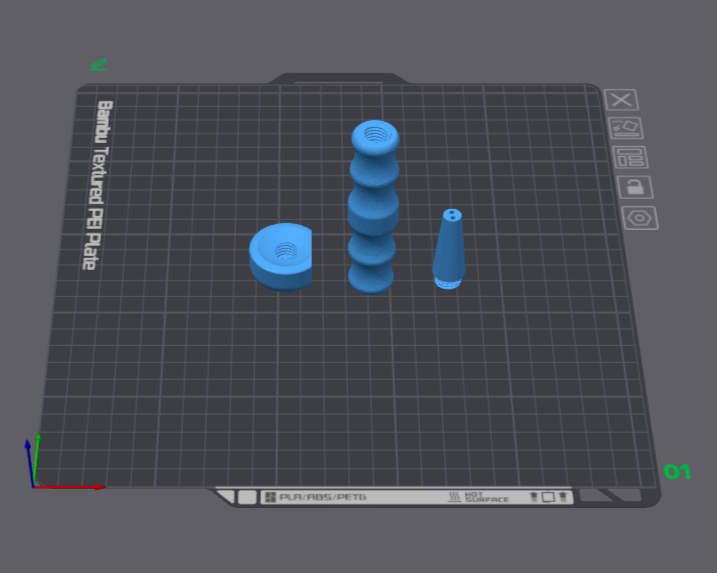
-
Filament type: PETG or PLA
Layer height: 0.20mm
Infill: 15-20%
Supports: None
Wall count: 4
Estimated filament used:
Large 21 Grams
Small 12 Grams
Print difficulty: Easy
Print time:
Large About 1 Hour 45 Minutes
Small About 1 Hour
-
Added materials:
Large paperclip
Super glue
Tools needed: Pliers
Post processing: None
Time to assemble: 15 Minutes
Assembly Process: Using pliers, straighten a large paperclip. Then, bend the paperclip into a button hook shape. Feed the pointed ends of the paperclip through the tip of the printed button hook, and bend or twist the ends together on the bottom of the tip. Then glue the ends together to secure them inside the button hook's tip. Screw the tip of the button hook into the base, and allow it to dry.
-
Functional Use: This device is a printed handle with a small wire loop at the tip. The loop goes through the buttonhole, catches the button, and pulls it back through, so buttoning is done with a gross grasp instead of a fingertip pinch. It prints in a large and a small handle.
Relevant Occupations: Dressing
Client Factors: May be relevant when fine motor control or finger strength is reduced.
Performance Skills: The loop and handle do the work of a fingertip pinch, so the client grips the handle and guides the loop rather than pinching and manipulating the button.
Safety Considerations: The wire loop can bend or pull loose with force, so check it before use. Make sure the ends are secured and glued.
Limitations: The wire loop can loosen and needs to be checked. Large buttons may not fit the loop. It is not a cleared medical device, so its use must be a clinical decision made by the treating occupational therapist.
-
Issues: None
Recommendations: Use the largest paperclips you can find. They can always be trimmed later.
Ease of use: Easy
Test results or review: The part worked as intended.
-
Original file link: https://www.thingiverse.com/thing:6225957
Creator credit: Courage Kenny
License: Creative Commons - Attribution -Share Alike license.